

Analysts must perform horizontal analysis of all major financial statements as key financial metrics are closely linked for all of them. Horizontal analysis of financial statements can be performed for comparing data across multiple quarters in the same year, quarterly analysis on a year-on-year basis, and yearly comparisons. Horizontal analysis refers to the historical comparison of financial statement items from one accounting period with another. From the horizontal analysis, we observe that Company Catch Up Bookkeeping C has experienced consistent growth in total assets over the four-year period.

How to perform the horizontal analysis?
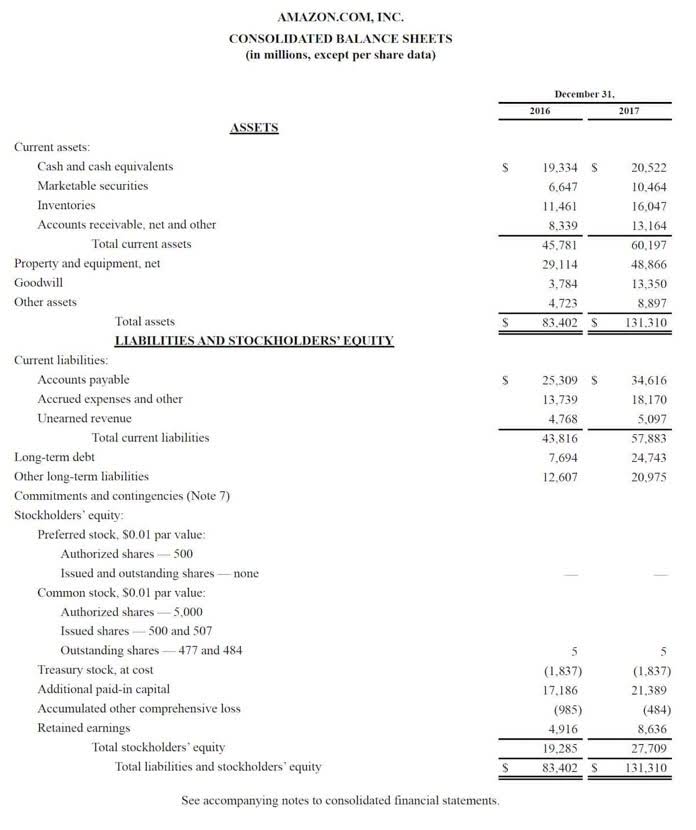
For example, vertical analysis lets you see exactly how much of your gross profit is going towards the cost of goods sold, or if your overhead costs eat up a significant amount of your revenue. It’s possible to complete your vertical analysis using only one accounting period, but you can also use it to compare results with another year, as shown below. Vertical analysis only requires the use of a single accounting period and includes both the dollar amount and the percentage for each line item. The example from Safeway Stores shows a comparative balance sheet for horizontal analysis 2018 and 2019 following a similar format to the income statement above.
- Examples of these frameworks are generally accepted accounting principles and international financial reporting standards.
- In conclusion, we’re able to compare the year-over-year (YoY) performance of our company from 2020 to 2021.
- In conclusion, horizontal analysis is a powerful financial analysis technique that offers valuable insights into a company’s historical financial data.
- OneMoneyWay is your passport to seamless global payments, secure transfers, and limitless opportunities for your businesses success.
Analyzing Financial Statements Horizontal, Common-Size and Trend Analysis
For instance, a consistent rise in debt levels relative to equity may indicate increasing leverage risk. Performing horizontal analysis involves systematic steps to ensure accuracy and relevance in financial assessment. To illustrate, consider an investor who wishes to determine Company ABC’s performance over the past year before investing. Assume that ABC reported a net income of $15 million in the base year, and total earnings of $65 million were retained. The company reported a net income of $25 million and retained total earnings of $67 million in the current year. When performing horizontal or vertical analysis, you would be adding additional columns to those displayed above that will reflect changes or trends.
Industry Benchmarking and Peer Analysis
- Performing this analysis regularly not only gives you a complete view of your current finances but also provides a look a potential trouble spots by pinpointing troubling trends or fluctuations.
- First, we need to take the previous year as the base year and the last year as the comparison year.
- These examples demonstrate how horizontal analysis enables us to identify trends and patterns in various financial metrics.
- Therefore, total net sales are in the Oral, Personal & Home Care, and Pet Nutrition Segments.
- However, it is also essential to evaluate external factors that might influence the results, such as economic trends or changes in market conditions.
Both these analyses mainly differ from each other in the calculation, focus, and time period that they both consider assessing the financial analysis. By doing so, businesses can compare each year’s revenues, expenses, and net income and identify trends or patterns in the data. By conducting horizontal analysis, businesses can evaluate their financial performance and identify areas where they are doing well and areas where they need to improve. Such analysis provides valuable insights into why any of these line items rose or fell sharply or markedly in year 2, compared to year 1. For example, net income could fall sharply in year 2, despite a rise in sales, due to a marked rise in the cost of goods sold, marketing expenses, administrative expenses, and/or depreciation expenses. The percentage changes in specific financial statement figures are indicated in the U.S.

Let’s perform a horizontal analysis of Facebook’s income statement items to understand the concept. Analyze the financial statements https://www.bookstime.com/ of key competitors to gain a broader understanding of industry dynamics and identify areas for improvement or potential competitive advantages. Percentage changes show the year-to-year variations in financial metrics and help determine the growth or decline rate of the company’s performance. Evaluate the size of the changes relative to the company’s size, industry benchmarks, and historical performance. Smaller variations may be within an acceptable range, while larger variations may require further investigation. When you have the data, calculate the percentage or absolute changes between the periods.